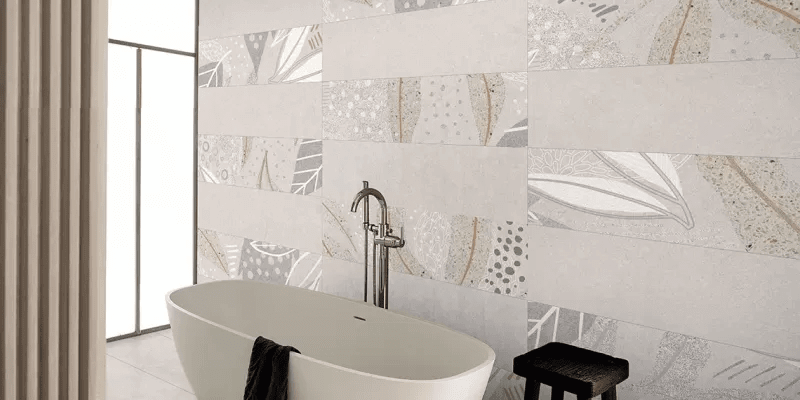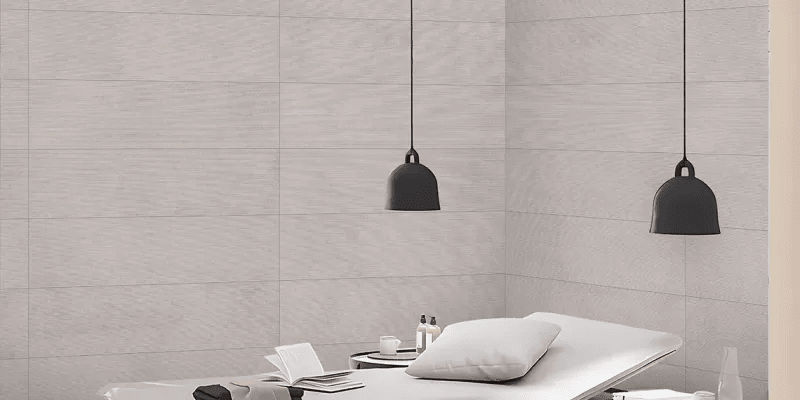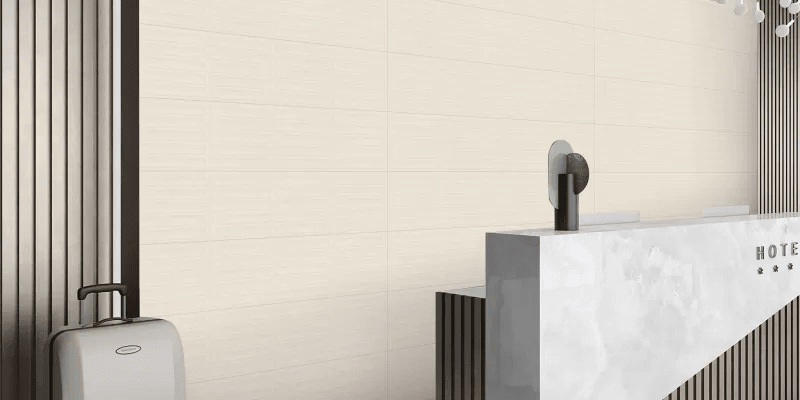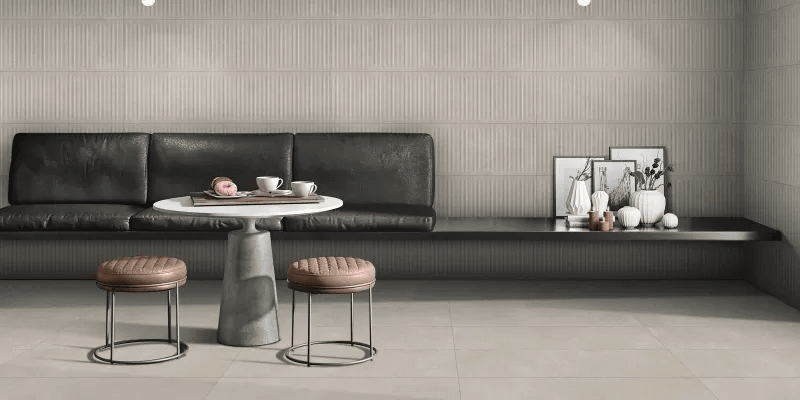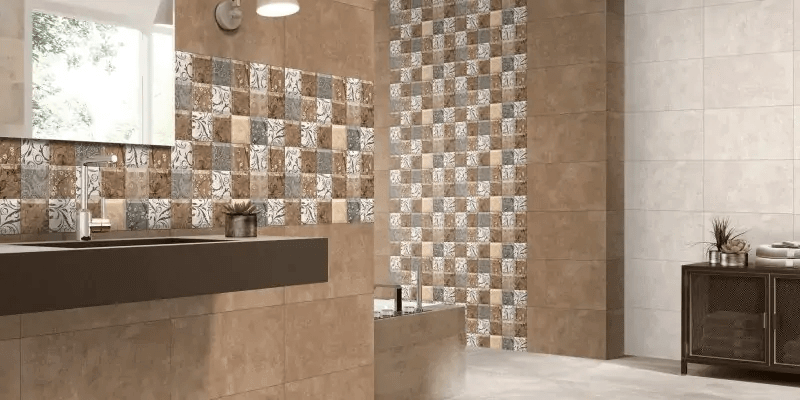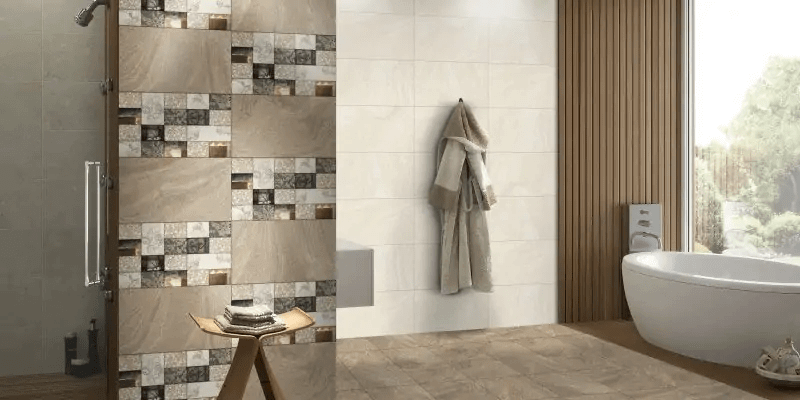
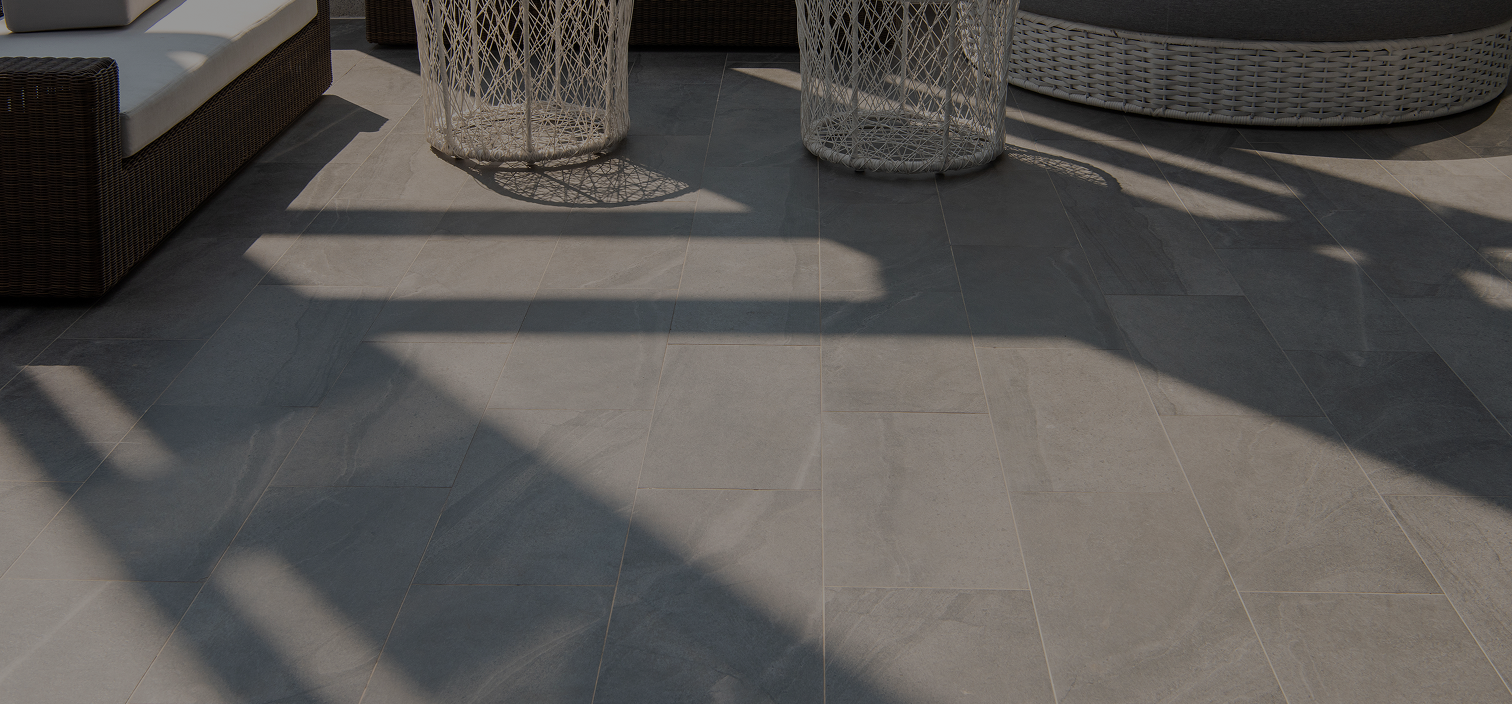
Ceramic wall tiles are one of the most versatile and popular choices for wall coverings, valued for their strength, flexibility, and wide variety of colours, textures, and finishes. Whether your style is contemporary, traditional, or somewhere in between, ceramic tiles effortlessly complement any wall design. Their low porosity makes them an ideal solution for moisture-prone areas such as bathrooms, kitchens, balconies, porches, and utility spaces.
From creating a simple, elegant home to designing a modern, stylish space, our latest ceramic wall tile designs offer endless possibilities for both interior and exterior applications. Parmo Impex Ceramics wall tiles combine durability with style, enhancing your décor while maintaining brightness and elegance for years. Explore our extensive range of ceramic wall tiles, kitchen wall tiles, vitrified wall tiles, and decorative wall tiles—available in diverse colours, textures, and patterns to suit every design vision.
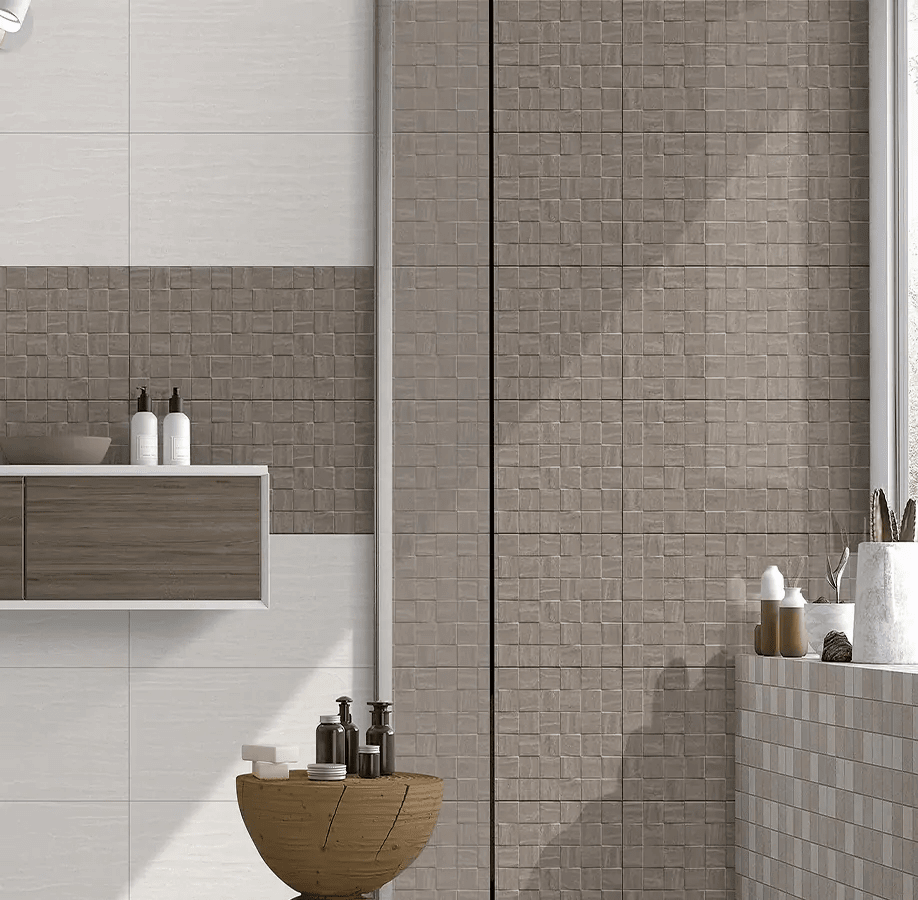
Before you head out to the Parmo Impex, stop for a moment to get a feeling of the future style and comfort of the Stiles showroom. Our collection is a combination of novelty and luxury, calling out to you to reinvent how you will be using and seeing your house.
Clean the wall with water first. Once the tile has been completely cleaned, gently wipe the scratch with a cloth dampened with a small amount of brass polish. If the scratch is still visible after one round of polishing, let it dry, then repeat the procedure until it is totally gone.
For the majority of indoor and outdoor applications, thin-set mortar is used for tiling ceramic tiles on walls. Thin-set is created from Portland cement, silica sand, and moisture-retaining substances. This tile mortar has a slick, smooth texture that resembles mud and thus is used to stick tiles on walls.
Yes. The majority of ceramic tiles can be painted, provided they are not frequently wet or subjected to extreme moisture exposure. For example, you can paint the tiles on the bathroom wall, but not the ones that surround the bathtub or shower.
Because wall tiles are thinner than floor tiles, they shouldn’t be placed on floors as foot traffic will cause them to crack. For wall installations, however, they are absolutely strong and simple to maintain.
Combine two cups of white vinegar with a teaspoon of vegetable-based dishwashing soap and then dilute it with warm water and transfer it to a spray bottle to remove tough shower stains, soap scum, and grime. Spray the solution on the shower walls, give it 15 minutes to work, and then clean the scum and dirt away with a sponge.
Lay the tiles in place after spreading an evenly distributed layer of thin-set on the wall, pressing firmly to seat the tile and ensuring that it sticks properly to the thin-set. The surface you are tiling on must be level for tiling walls, or else your corners won’t line up. It’s always recommended to begin at the low end of an uneven or unlevel surface.
Around 2-3, kilogramme of adhesive per m2 will be required while tiling a wall. This means that 20 kg of tile glue will be sufficient to cover an area of about 6 to 10 m2.
The plaster beneath must be adequately prepared if you want your tiles to get fixed entirely to the wall. Also, prime the tiles and the area around them before installing them on your walls. Place the tiles on the wall with care after applying the cement and sand paste to the back of each one. Additionally, you can use the ready-made tile adhesives that are sold in stores. Light pressure and proper alignment should be used when glueing tiles on the wall.
To clean your bathroom wall tiles, first, run a hot shower to loosen the grime. Then, prepare a cleaning solution with half a bucket of warm water, half a cup of lemon juice, and baking soda. Scrub the walls with the solution and leave for at least five minutes. Later, wipe the walls with a soft cloth and let them dry.
Using wall and floor tiles that are the same colour creates a seamless finish and frequently makes the space appear larger. Blue or green tones work best with tiles that have cool undertones. When combined with subdued neutrals and yellow-toned tones, warm undertoned flooring looks its finest. You must maintain consistency in your colour scheme to match floor tiles with walls.